

Ransomware attacks now rank among the most disruptive threats for enterprise organizations. Therefore, many businesses adopt managed ransomware protection services to strengthen security and prevent costly disruptions.
Attackers use automation, exploit remote access, and deploy malware to infiltrate networks quickly. As a result, ransomware incidents cause rising financial losses and severe operational disruption.
However, traditional security tools fail to detect threats early or stop lateral movement. This limitation increases risk across complex enterprise environments.
In response, enterprises shift to managed ransomware protection services for proactive defense. These services provide threat detection, continuous monitoring, and expert security support.
Moreover, they help organizations strengthen access controls and protect sensitive data. They also enable faster incident response and ensure business continuity.
This article explores key drivers behind this shift and evolving risk requirements. Additionally, it highlights trends shaping enterprise ransomware protection strategies.
Ultimately, managed ransomware protection services help enterprises stay ahead of evolving cyber threats.
Business Operations: How Ransomware Disrupts Enterprise Performance
Ransomware attacks disrupt business operations by targeting systems that support daily enterprise functions. As a result, employees lose access to applications, data, and infrastructure needed for normal operations.
Attackers gain access through remote desktop connections, phishing, or outdated software. Then, they deploy malware that spreads quickly across distributed infrastructure.
Consequently, workflows stop, employees lose access to tools, and businesses face immediate financial losses. In fact, 60% of small businesses shut down within six months after a major cyber incident.
For enterprises, even one ransomware attack disrupts operations, reduces productivity, and impacts revenue. Additionally, it affects customer-facing services and overall business performance.
A major breach damages reputation, reduces trust, and limits client acquisition and retention. Therefore, businesses often lose future opportunities and long-term growth potential.
Moreover, recovery takes time, as teams isolate systems, investigate incidents, and restore operations. As a result, organizations face higher recovery costs and prolonged disruption.
Security teams must respond quickly, contain threats, and assess potential data breaches. They also evaluate risks involving sensitive or stolen data and regulatory obligations.
However, traditional security approaches fail in complex environments with limited resources and fragmented monitoring. Therefore, enterprises now adopt managed ransomware protection services to reduce risk.
These services offer continuous monitoring, advanced threat detection, and automated response. As a result, organizations identify threats early and minimize operational disruption.
Access Controls: Strengthening Identity in Managed Ransomware Protection Services
Access controls play a critical role in defending against ransomware attacks. As attackers exploit weak identity management, they gain access to enterprise systems.
They target common entry points like compromised credentials and remote desktop connections. Additionally, unsecured remote access allows attackers to move laterally across systems.
Without strong access controls, organizations face a higher risk of intrusion. Especially when multi-factor authentication is missing or permissions ignore least privilege principles.
These gaps allow attackers to infiltrate systems and deploy malicious software. As a result, they disrupt operations and compromise sensitive data.
Therefore, organizations must adopt a layered access control strategy. This includes multi-factor authentication, role-based access, and continuous user activity monitoring.
By restricting privileged access, businesses reduce unauthorized entry risks. Moreover, strict identity verification limits ransomware spread across systems.
Modern managed cybersecurity services further strengthen access control capabilities. They provide centralized monitoring, automated policies, and real-time anomaly detection.
As a result, organizations detect threats early and respond faster to incidents. Ultimately, strong access controls reduce risk and support proactive ransomware protection.
Cyber Insurance: Why Insurers Now Require Advanced Security Measures
Cyber insurance providers now tighten requirements due to rising ransomware-related financial losses. Therefore, enterprises must prove stronger security controls before policy approval or renewal.
Insurers recognize that weak ransomware protection increases the risk of severe incidents. As a result, organizations face higher recovery costs, longer disruptions, and more frequent claims.
Policies now require multi-factor authentication, endpoint protection, and continuous network monitoring. These controls help reduce the chances of successful ransomware attacks.
Moreover, insurers expect organizations to actively reduce risk instead of relying on coverage. This shift reflects a more proactive approach to cybersecurity risk management.
Insurers often demand specific security measures to approve coverage or process reimbursements. Therefore, enterprises must meet strict compliance and protection standards.
To meet these requirements, organizations implement advanced threat detection and centralized monitoring. They also develop formal incident response plans to handle threats effectively.
In fact, insurers require structured incident response plans as part of coverage criteria. This ensures organizations can respond quickly to ransomware incidents.
Managed ransomware protection services support compliance with these evolving requirements. They offer expert teams, continuous monitoring, and automated response capabilities.
Additionally, organizations must document backup systems and data recovery strategies. This preparation ensures faster recovery and reduces financial impact after a breach.
Ultimately, aligning cybersecurity with insurance requirements improves coverage eligibility. It also strengthens resilience and supports long-term business continuity.
Critical Business Operations: Protecting Core Systems from Ransomware Impact
Ransomware attacks increasingly target critical business operations across enterprise environments. They encrypt or disable systems that support financial processes, customer platforms, and workflows.
When attackers gain access, they prioritize systems that cause maximum disruption. As a result, business operations stop without immediate remediation or costly recovery.
This impact goes beyond technical issues and directly affects revenue and customer experience. It also disrupts service delivery across distributed infrastructure.
Therefore, protecting critical operations has become a strategic priority for enterprises. This need grows as ransomware threats become more sophisticated.
Modern IT environments increase risk due to cloud systems and interconnected infrastructure. Even one compromised endpoint can impact entire networks.
Without advanced threat detection, ransomware spreads quickly across systems. Consequently, it amplifies disruption before security teams can respond effectively.
Moreover, limited visibility across environments makes early threat detection difficult. This challenge increases the risk of escalation and widespread damage.
To address these risks, enterprises adopt managed ransomware protection services. These solutions provide monitoring, automated response, and centralized visibility.
As a result, organizations protect critical operations and ensure business continuity.
Emerging Threats: How Ransomware Tactics Continue to Evolve
Emerging ransomware threats are reshaping how attackers infiltrate and exploit enterprise environments. They move across systems and execute coordinated attacks with increasing precision.
Modern attacks use automation, exploit remote access, and deploy advanced techniques like fileless malware. Additionally, attackers use credential harvesting to bypass traditional security systems.
These tactics help attackers evade detection and escalate attacks quickly. As a result, they move from initial access to full network compromise rapidly.
Consequently, enterprises face a constantly evolving threat landscape. However, outdated security models fail to prevent disruption or protect critical systems.
Attackers now go beyond encryption and focus on data exfiltration strategies. This approach increases pressure by threatening exposure of sensitive and confidential data.
Therefore, ransomware incidents now involve data breaches, compliance risks, and reputational damage. They also significantly increase financial impact on organizations.
Moreover, attackers target cloud systems, remote access, and distributed infrastructure. They exploit gaps created by rapid digital transformation and expanding attack surfaces.
To address these risks, enterprises adopt managed ransomware protection services. These solutions provide advanced detection, continuous monitoring, and automated response.
As a result, organizations identify threats early and reduce the risk of escalation.
How Managed Ransomware Protection Services Ensure Business Continuity
Ransomware incidents directly threaten business continuity by disrupting access to critical systems. Therefore, attackers increase pressure by forcing organizations to consider ransom payments.
When attacks hit enterprise environments, operations can stop immediately. As a result, employees lose access to applications, data, and essential infrastructure.
This disruption affects customer services, internal workflows, and supply chain dependencies. Consequently, businesses struggle to maintain continuous operations.
Therefore, organizations must adopt strategies that go beyond basic recovery. They must maintain operations even during active ransomware threats.
Effective business continuity requires integrating ransomware protection with incident response and backup strategies. This approach helps isolate affected systems while preserving unaffected operations.
Enterprises must segment and monitor critical systems to reduce risk. Additionally, strong recovery capabilities enable faster restoration without exposing sensitive data.
Managed cybersecurity services enhance business continuity with continuous monitoring and automated response. They also provide centralized visibility to help teams contain threats quickly.
By adopting managed ransomware protection services, organizations strengthen resilience against attacks. Ultimately, they reduce risk and maintain operations despite evolving ransomware threats.

Advanced Threat Detection in Managed Ransomware Protection Services
Advanced threat detection plays a critical role in modern ransomware protection. As attackers use stealthy techniques, they bypass traditional security and delay detection.
Attackers gain access through common entry points and remain undetected. Then, they escalate privileges, map networks, and prepare malware deployment.
Without early detection, organizations face a higher risk of widespread compromise. As a result, ransomware spreads across networks before teams can respond.
This delay increases recovery costs and operational disruption significantly. It also raises the risk of data breaches involving sensitive data.
Modern ransomware protection requires advanced detection capabilities across environments. These include intrusion detection, behavioral analytics, and continuous monitoring.
Managed cybersecurity services strengthen detection with centralized monitoring and automated response. Additionally, expert teams analyze network activity in real time.
Therefore, organizations can identify threats during early attack stages. This reduces lateral movement and prevents further system compromise.
By adopting managed ransomware protection services, enterprises improve threat response. Ultimately, they prevent escalation and maintain business continuity.
Endpoint Protection: Securing Distributed Devices and Remote Access
Endpoint protection has become a critical requirement as ransomware attacks increasingly target distributed devices, remote access pathways, and endpoints that serve as the most common entry point into enterprise environments.
With the expansion of remote work and cloud environments, endpoints such as laptops, mobile devices, and remote desktop connections introduce additional exposure across distributed infrastructure.
Many organizations now store large quantities of information on cloud storage or personal devices that are often invisible to IT departments, increasing the risk of data exfiltration and ransomware threats targeting cloud data.
Attackers exploit vulnerabilities in operating systems, outdated software, and unsecured remote access configurations to gain initial access and deploy malicious software across connected systems.
The expansion of remote work and cloud-native applications has created a massive, scattered attack surface that is difficult to manage in-house.
Without effective endpoint protection, a single compromised device can provide attackers with a foothold to infiltrate entire networks and impact business operations at scale.
Modern endpoint protection strategies must combine advanced threat detection, patch management, and continuous monitoring to identify threats and prevent unauthorized activity across all connected devices.
Managed cybersecurity services enhance endpoint security through centralized monitoring, automated response, and integration with broader ransomware protection frameworks that protect critical systems and sensitive data.
These solutions enable security teams to detect suspicious behavior, isolate affected systems, and prevent lateral movement before ransomware spreads across the environment.
For enterprises, implementing robust endpoint protection is essential to reducing exposure, securing remote access, and maintaining business continuity in increasingly complex and distributed IT environments.

Data Breaches: The Expanding Risk of Data Exfiltration and Exposure
Data breaches now play a central role in modern ransomware attacks. As attackers prioritize data exfiltration, they increase financial and operational impact.
When attackers gain access, they target sensitive and confidential data first. Then, they extract valuable data before deploying ransomware.
This dual approach increases risk for organizations significantly. As a result, businesses face both disruption and potential data exposure.
Therefore, ransomware incidents now involve long-term data security challenges. They no longer remain isolated operational disruptions.
Moreover, breaches impact compliance, legal exposure, and customer trust. They also damage reputation when critical data gets compromised.
Organizations must consider costs related to response and forensic investigations. Additionally, regulatory penalties increase the financial impact.
Without advanced detection, breaches often remain unnoticed for long periods. Consequently, organizations face higher recovery costs and operational risks.
To mitigate these risks, enterprises adopt managed ransomware protection services. These solutions provide monitoring, automated response, and proactive threat detection.
As a result, organizations protect data and reduce large-scale breach risks.
Critical Data: Safeguarding Sensitive and High-Value Information
Critical data has become a primary target in ransomware attacks, as threat actors seek to access, encrypt, or exfiltrate sensitive data that holds operational, financial, or strategic value for enterprise organizations.
When attackers gain access to critical systems, they prioritize high-value assets such as customer records, financial data, and intellectual property, increasing both the financial impact and long-term risk associated with a ransomware incident.
The loss or exposure of this data can disrupt business operations, compromise regulatory compliance, and create lasting damage to organizational trust and reputation.
As a result, protecting critical data is essential to maintaining business continuity and minimizing the impact of ransomware attacks.
Effective protection of critical data requires a layered approach that combines strong access controls, data encryption, and continuous monitoring across distributed infrastructure and cloud environments.
Organizations must ensure that backup systems are secure, isolated from primary networks, and capable of supporting reliable data recovery without exposing additional vulnerabilities during restoration.
Managed cybersecurity services enhance this capability by providing centralized monitoring, automated response, and dedicated security teams that continuously protect data from unauthorized access and malicious activity.
By prioritizing critical data protection within a comprehensive ransomware protection strategy, enterprises can reduce exposure, protect valuable data, and ensure resilience against increasingly sophisticated threats.
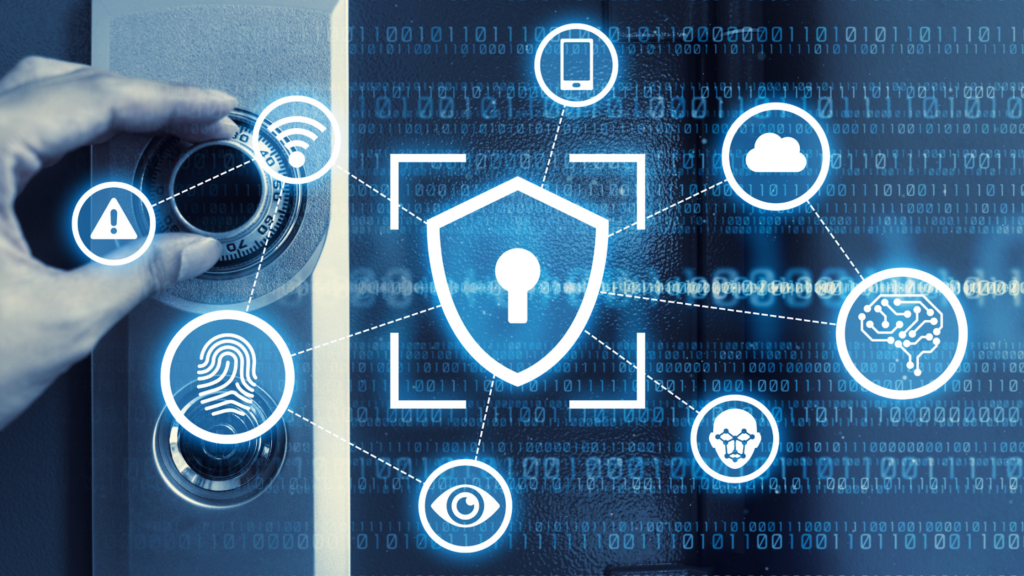
Advanced Threats: Why Traditional Security Models Are No Longer Enough
Advanced threats have outpaced traditional security models, as ransomware attacks now leverage automated attacks, polymorphic malicious software, and sophisticated intrusion techniques designed to bypass legacy defenses.
Attackers no longer rely on a single common entry point, instead exploiting multiple vectors such as remote access pathways, phishing campaigns, and vulnerabilities in outdated software across distributed infrastructure.
This evolution allows threat actors to gain access, establish persistence, and move laterally across critical systems without triggering conventional detection mechanisms.
As a result, organizations relying on traditional security software face increased exposure to ransomware incidents that can impact entire networks before detection occurs.
The limitations of legacy approaches are further amplified by the scale and complexity of modern enterprise environments, where cloud computing, remote access, and interconnected systems expand the attack surface significantly.
Without continuous monitoring, advanced threat detection, and automated response capabilities, security teams struggle to identify threats early and contain them before escalation leads to operational disruption.
Managed ransomware protection services address these gaps by providing centralized monitoring, behavioral analytics, and real-time threat detection that adapts to evolving attack patterns.
For enterprises, transitioning to these advanced protection models is essential to reduce risk, protect critical systems, and ensure business continuity in the face of increasingly sophisticated ransomware threats.
Employee Training: Reducing Human Error as a Primary Attack Vector
Employee training remains a critical defense against ransomware attacks. As human error often enables attackers, organizations must strengthen employee awareness.
Therefore, businesses should implement regular training programs and simulated exercises. These programs help employees recognize phishing, social engineering, and other cyber threats.
Attackers use phishing emails and fraudulent messages to trick employees. They aim to steal credentials, deploy malware, or enable unauthorized access.
Without proper training, employees fail to detect or report suspicious activity. As a result, organizations face a higher risk of ransomware incidents.
Therefore, companies must prioritize human awareness in their security strategy. This approach strengthens overall ransomware protection.
Effective training teaches employees to identify threats and follow secure access protocols. Additionally, it helps them protect critical systems and sensitive data.
Training programs should reflect evolving threats, including AI-generated phishing attacks. This ensures employees stay prepared for modern attack techniques.
Organizations must also enforce policies like multi-factor authentication and secure remote access. These measures reduce exposure across distributed environments.
Managed cybersecurity services support training with monitoring and incident response. As a result, human and technical defenses work together effectively.
By investing in training, enterprises reduce ransomware risks and protect valuable data. Ultimately, they strengthen resilience against evolving cyber threats.
However, ransomware attacks continue to grow in scale and sophistication. Therefore, traditional security approaches no longer provide sufficient protection.
Organizations that ignore advanced strategies face higher risks and prolonged disruption. This impacts long-term performance and business resilience.
[Learn More or Schedule a Consultation →]
Managed ransomware protection services help organizations detect threats early and respond effectively. They also protect critical systems and ensure business continuity.
IMS Cloud Services delivers enterprise-grade ransomware protection solutions designed to strengthen security posture, reduce risk, and ensure business continuity in an evolving threat landscape.